Juan Solito Ecolodge
A low-impact eco hotel in Hato La Aurora, Casanare, built with the architecture and the spirit of the Llanos.
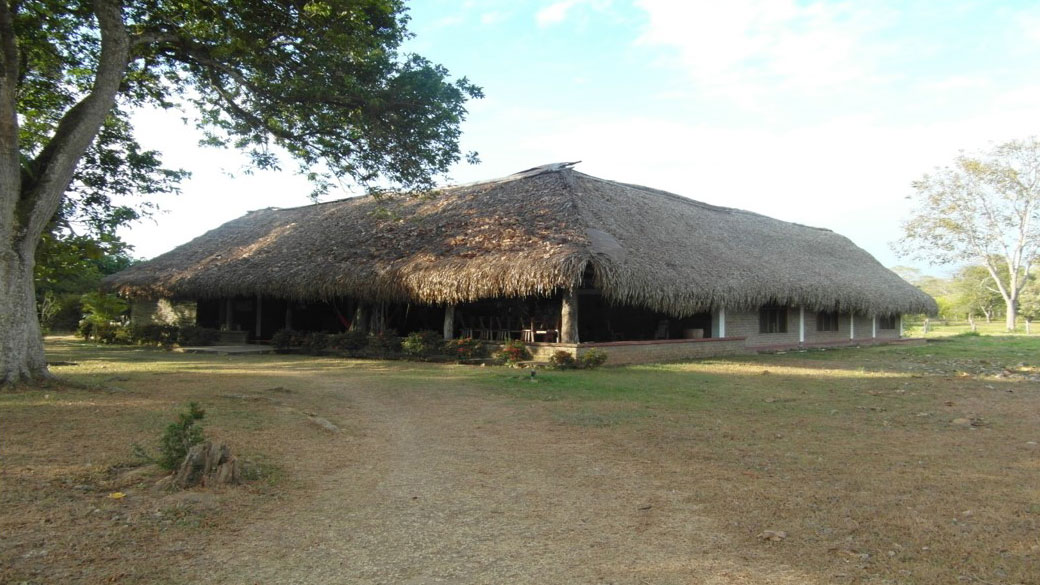
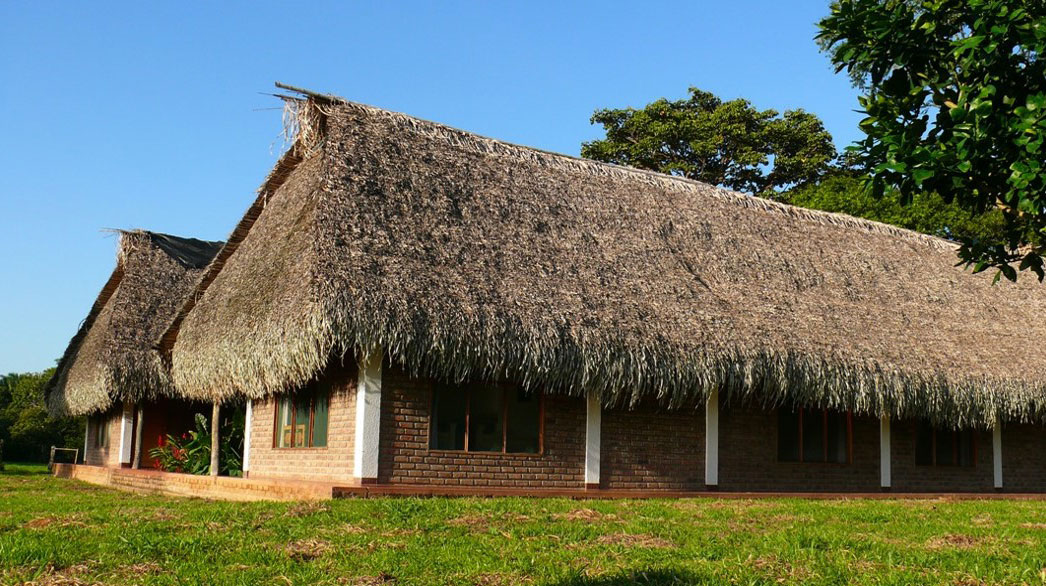
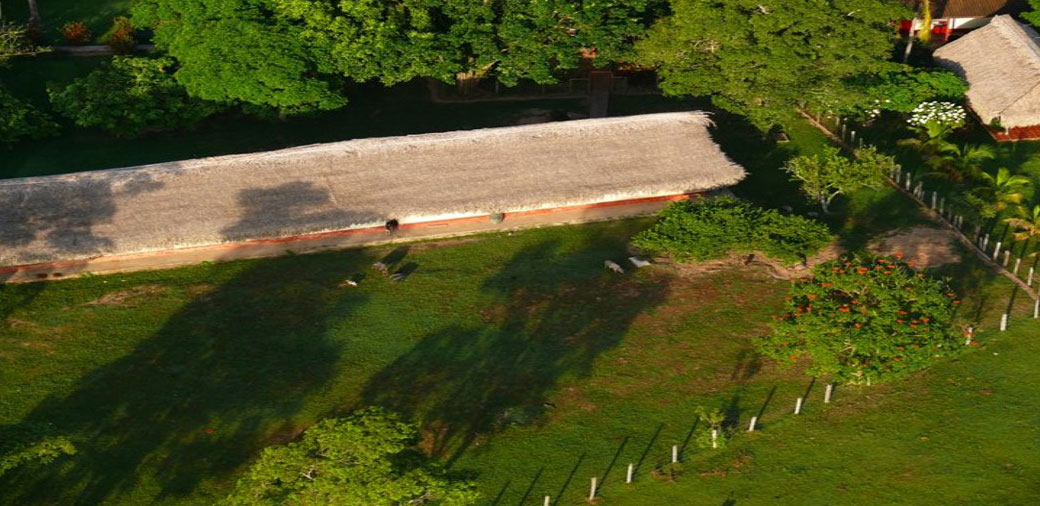
The Juan Solito eco hotel sits in the north-east of Hato La Aurora, on the right bank of the Ariporo river, designed to honour the architecture of the region. It offers different types of rooms: seven in a large palm-roofed house, each with its own private bathroom, and three more built closer to the riverbank, with private bathroom and a more rustic feel. The setting stays natural throughout your stay, so that every traveller can live a genuinely different experience.
What is an ecolodge?
An ecolodge is a place to stay conceived out of respect for the land that hosts it: its architecture blends into the landscape, its operation keeps the impact on water, energy and ecosystems to a minimum, and its income directly benefits local communities. It is not simply a hotel surrounded by nature — it is a model of tourism that exists, in large part, to help protect that nature.
-
Low environmental impact
Buildings and day-to-day operations designed to minimise the footprint on the soil, water and vegetation around us.
-
At one with the landscape
Traditional architecture, local materials and designs that merge into the Llanos landscape instead of imposing on it.
-
Responsible use of water and energy
Mindful use of natural resources, avoiding the waste that comes with conventional hotel infrastructure.
-
Benefit for the local community
Jobs, guiding work and economic opportunity for the people of the region, not only for outside operators.
-
Environmental education
Every activity is also a chance for visitors to understand and value the ecosystem they are exploring.
In that sense, an eco hotel near Yopal — or in any other nature destination — differs from a conventional hotel in that its purpose is not only to host, but to conserve. Explore our accommodation options and our current lodging rates in detail.
What makes Juan Solito an ecolodge
Juan Solito Ecolodge puts these principles into practice. Our rooms and communal areas are built with the traditional palm-thatch architecture of the Llanos, woven into the landscape of Hato La Aurora. The lodge is run by Fundación Prodesarrollo de Casanare (tax ID 832.000.407-2), a non-profit organisation devoted to environmental education, conservation and community development; you can read more about it in about us.
Our guides are from the region: they know the Llanos because they live in them, and that closeness makes for a more authentic and more responsible experience for everyone who visits. Every Llanos safari, horseback ride or guided hike also contributes to the conservation of this land and to local employment.

Where we are
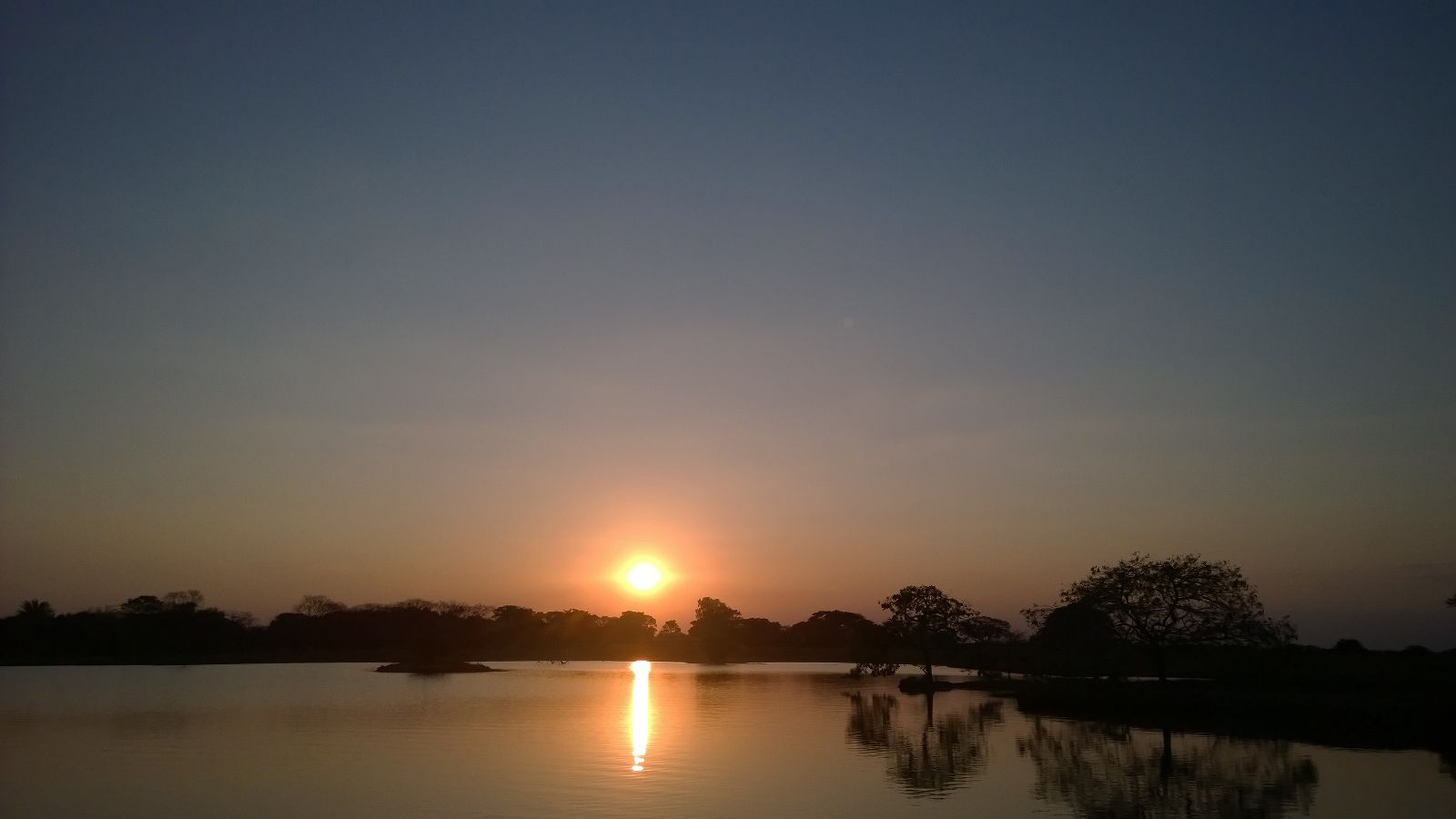
Juan Solito Ecolodge is located in the north-east of Hato La Aurora, on the right bank of the Ariporo river, in the municipality of Hato Corozal, Casanare, right in the heart of the Eastern Plains of Colombia. Most travellers arrive via Yopal — the departmental capital, with daily flights from Bogotá — or via Paz de Ariporo, the town closest to the reserve.
You will find full details on routes, transport and travel times on our how to get here page.
Wildlife, plants and the best time to visit
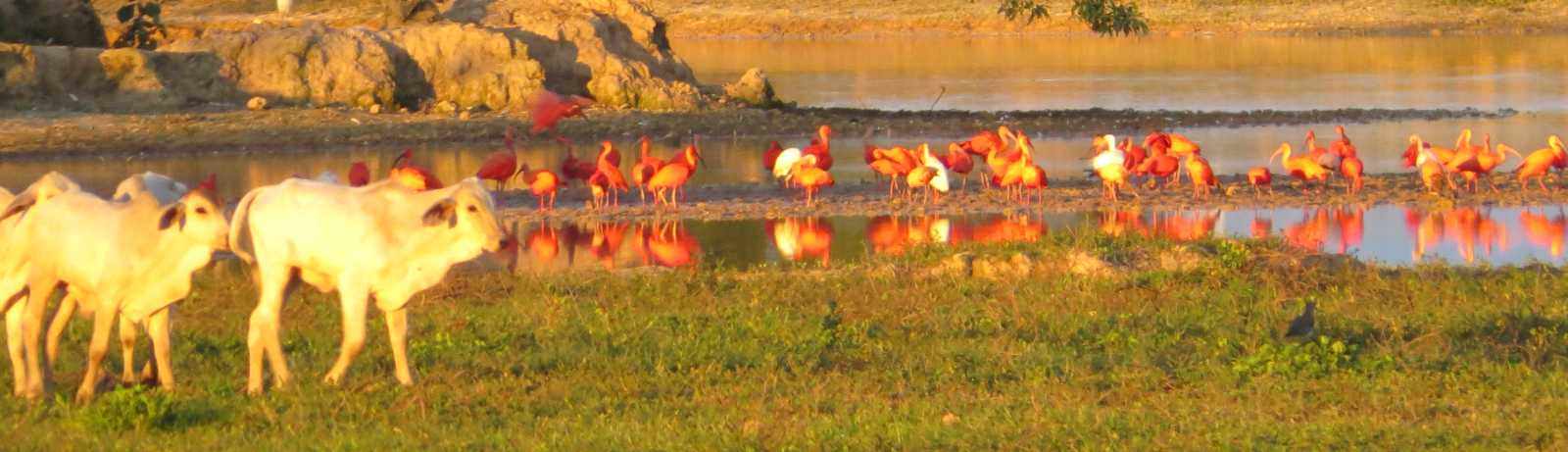
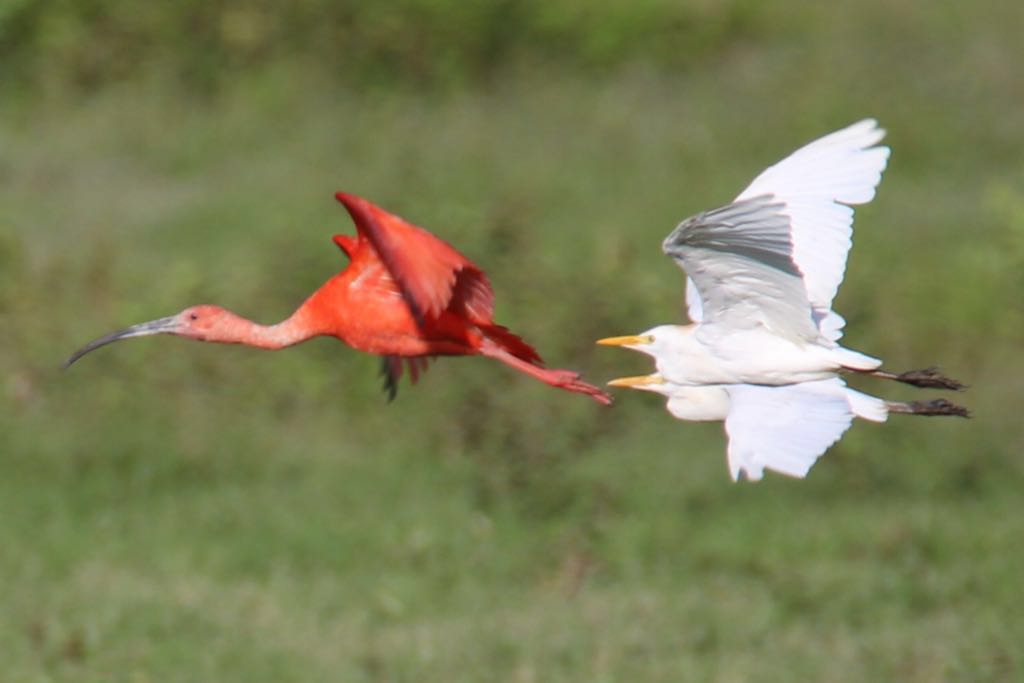
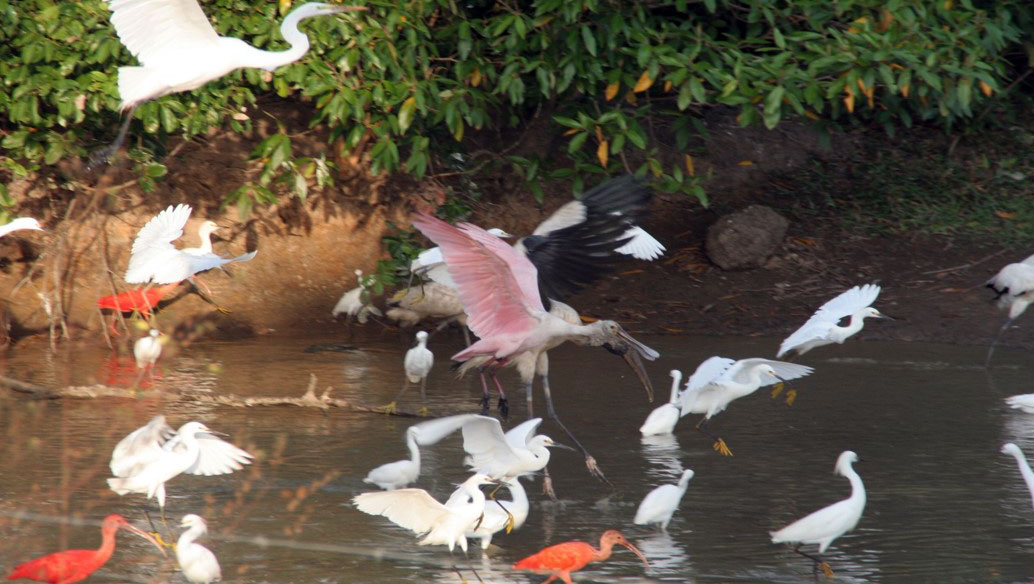
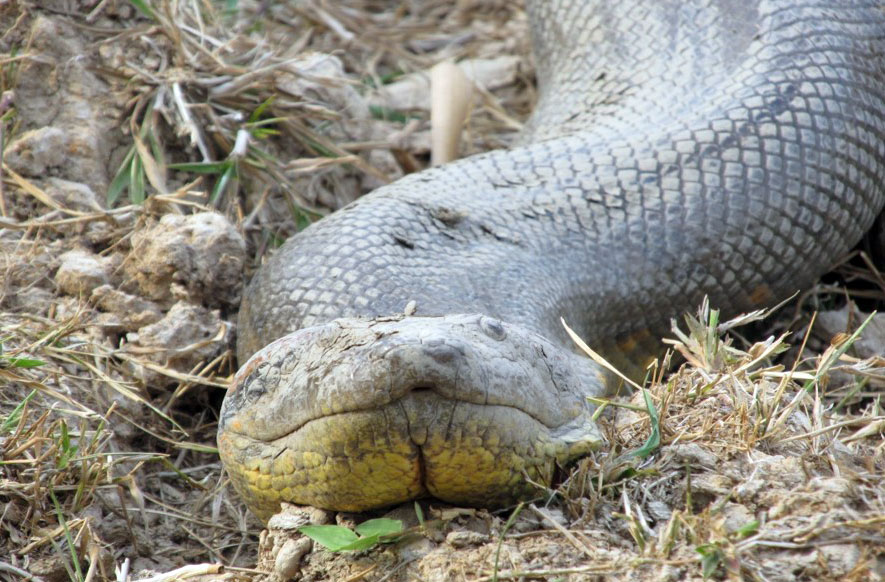
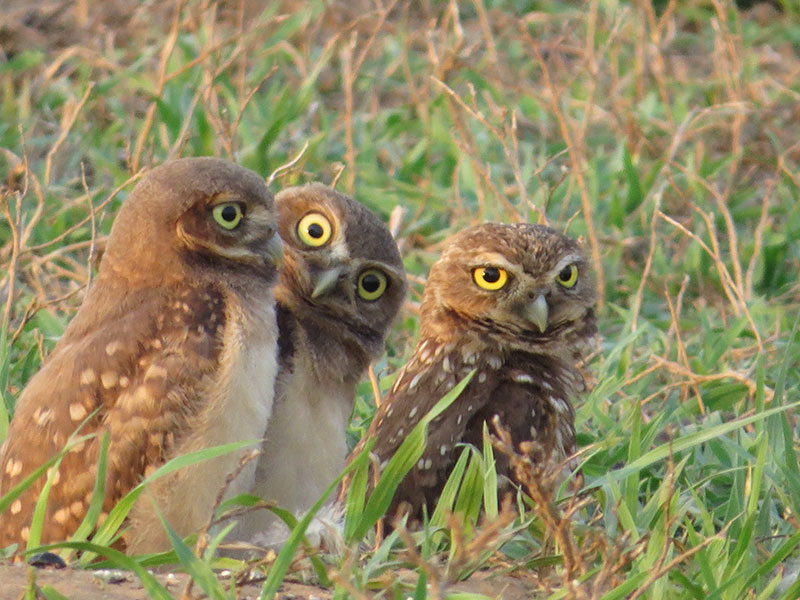
The Hato La Aurora Nature Reserve brings together flooded savanna, wetlands (esteros), moriche palm groves and gallery forest: a mosaic of ecosystems that supports remarkable biodiversity. On our outings it is common to come across capybaras, white-tailed deer, spectacled caimans, monkeys and — with patience and a good guide — anacondas. The skies and the mirrored waters of the Llanos also make this prime territory for birdwatching: scarlet ibis, herons, jabirus, stone-curlews and egrets share a landscape that changes colour with every season. Discover these experiences on our Llanos safari and our guided hikes, or browse the full list of ecotourism activities.
Best time to visit: in the dry season (roughly December to March) animals gather around the few remaining water sources, which makes sightings on safari much easier. In the rainy season (April to November) the savanna turns green and the creeks and wetlands swell — perfect for river trips. There is no single “best” season: each one reveals a different face of the Llanos.



Ecotourism activities



Ecolodge gallery
Frequently asked questions about the ecolodge
What exactly is an ecolodge?
It is a place to stay designed and run to low environmental impact standards: architecture that fits the landscape, responsible use of water and energy, jobs for local communities and environmental education for guests. Unlike a conventional hotel, an ecolodge aims for your stay to directly benefit the conservation of the place where it stands.
Why is Juan Solito an ecolodge and not a conventional hotel?
Because it is built with the traditional palm-thatch architecture of the region; it is run by Fundación Prodesarrollo de Casanare — a non-profit devoted to environmental conservation and Llanos culture; it employs guides and staff from neighbouring communities; and the whole experience revolves around the responsible observation of the wildlife and landscape of Hato La Aurora.
Where exactly is Juan Solito Ecolodge?
We are in the north-east of Hato La Aurora, on the right bank of the Ariporo river, in the municipality of Hato Corozal, Casanare, in the Eastern Plains of Colombia. Most people arrive via Yopal or Paz de Ariporo, and continue overland from there to the reserve.
Who runs the ecolodge?
Juan Solito Ecolodge is a project of Fundación Prodesarrollo de Casanare (tax ID 832.000.407-2), a non-profit organisation founded in 1997 and dedicated to education, environmental conservation and community development in the region.
Is the ecolodge inside a nature reserve?
Yes. Juan Solito lies within the Hato La Aurora Nature Reserve, an area of flooded savanna, wetlands and gallery forest that is home to capybaras, deer, spectacled caimans, anacondas and a great diversity of birds.
Which ecotourism activities can I do?
Llanos safaris for wildlife watching, horseback rides across the savanna, guided hikes by day and by night, and birdwatching with local guides who know the best spots and times.
When is the best time to visit the Llanos?
In the dry season (roughly December to March) wildlife gathers near the water sources and safaris are especially rewarding. In the rainy season (April to November) the landscape is greener and more lush, ideal for river trips. Both seasons offer different and equally worthwhile experiences.